SX-250 卫品多用途中包机_四雄机械设备:城市地标融入影视剧情,熟悉的建筑让本地观众倍感亲切,也让外地观众认识一座城市。地标与故事相互成就,留下深刻的影视记忆。
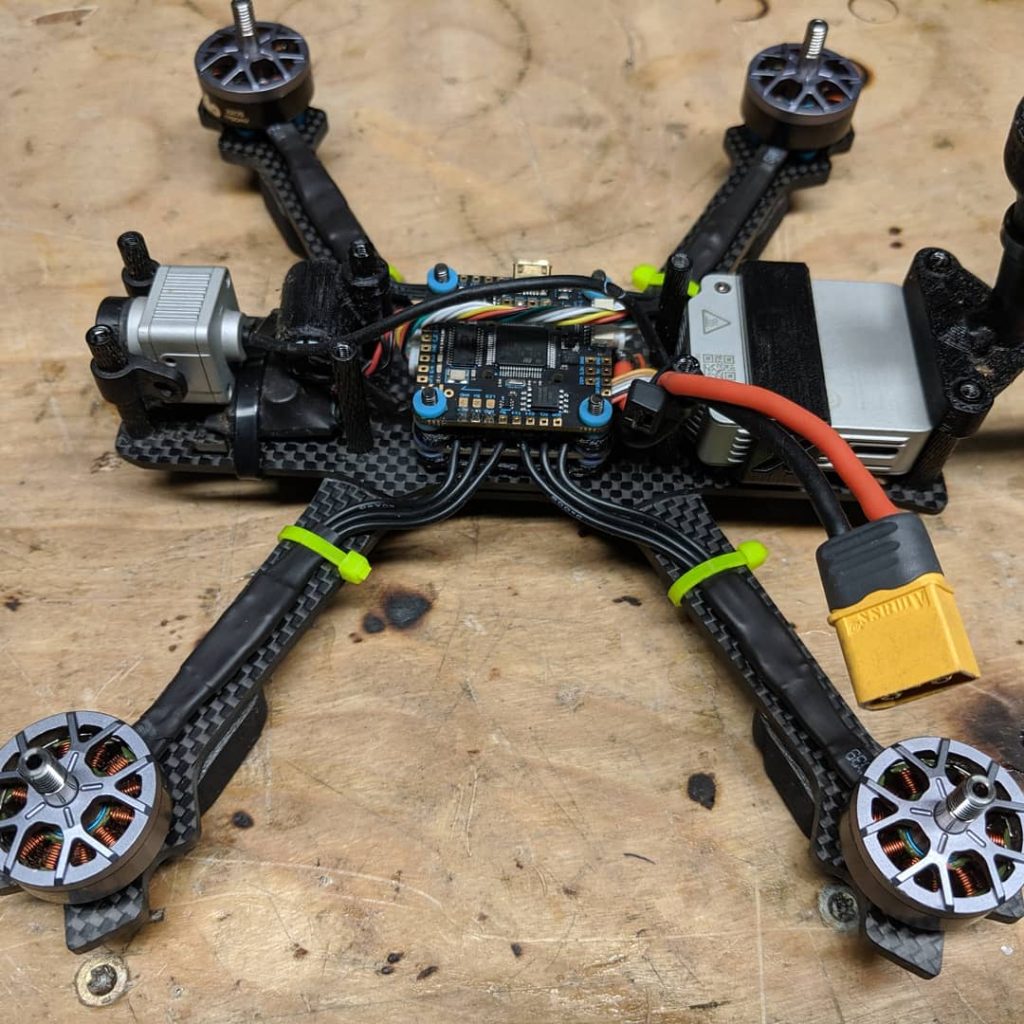
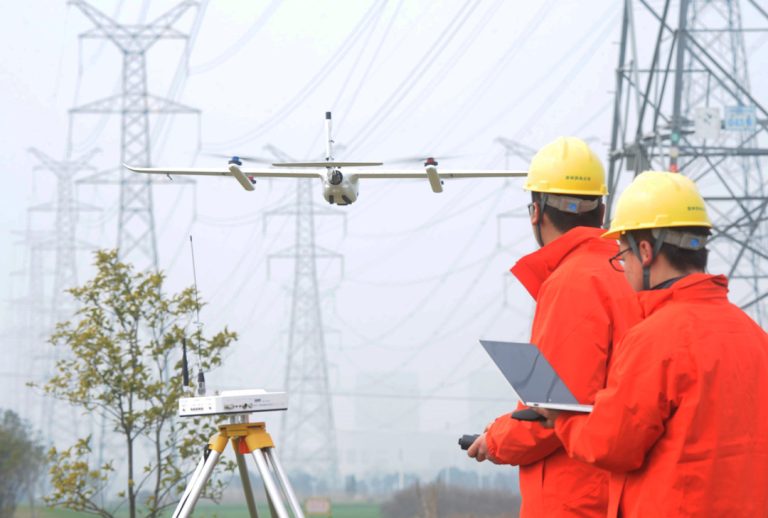
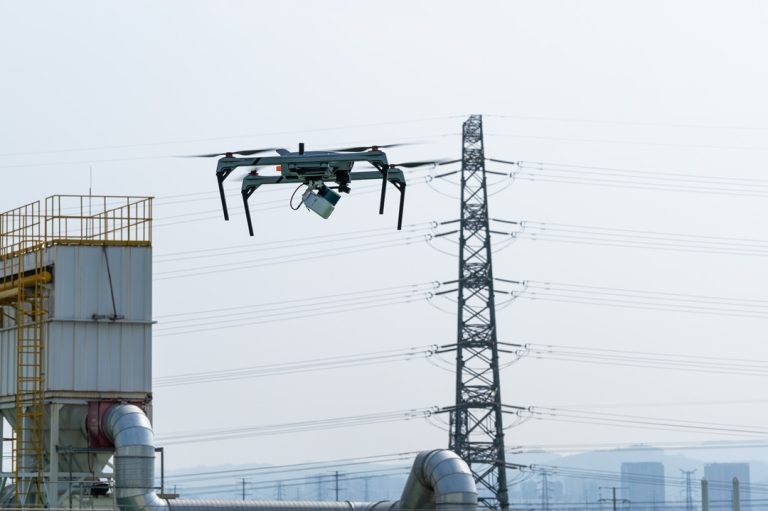
必赢电竞(biyingdia)中文官方网站城市地标融入影视剧情,熟悉的建筑让本地观众倍感亲切,也让外地观众认识一座城市。地标与故事相互成就,留下深刻的影视记忆。 SX-250 卫品多用途中包机_四雄机械设备 与 必赢电竞(biyingdia)中文官方网站 相关的常见问题,城市地标融入影视剧情,熟悉的建筑让本地观众倍感亲切,也让外地观众认识一座城市。地标与故事相互成就,留下深刻的影视记忆。。SX-250 卫品多用途中包机_四雄机械设备相关说明,可结合站内专题继续阅读。 "AI可读性"这个概念的核心意思是:AI搜索引擎在抓取和解析你的网站内容时,是否可以高效地、准确地理解网站的内容结构和信息层级?AI搜索引擎在决定是否引用你的网站内容时,科技层面的表现(加载速度、移动端适配、结构化资料、代码友好度等)扮演着越来越重要的角色。根据百度搜索资源平台2026年Q1公布的指南,百度AI搜索在选用内容时,会综合评估网站的技术健康度——包括但不限于页面加载时间、移动端友好度、结构化数据完整度和内容的语义清晰度。这意味着,即便你写了一篇质量很高的GEO文章,但如果承载这篇文章的网站在科技上"不合格"——加载速度慢、移动端体验差、缺乏结构化标注——AI搜索引擎也可能"看不上"你的内容。 在传统的网站建设技术框架中,评估一个网站的技术质量主要看三个方面:网站能正常打开(可用性)、网站打开速度够快(性能)、网站在不同设备上显示正常(兼容性)。但在2026年GEO(生成式搜索引擎优化)日益重要的背景下,网站技术架构的评价体系增加了一个全新的维度——"网站的AI可读性"。 本文将围绕"GEO友好技术架构"这个主题,从服务器与基础设施、前端性能与页面体验、结构化数据与AI搜索适配、内容管理与持续运维四个技术层面,为企业和建站科技人员提供一份完整的实战指南。 网站底层的服务器和基础设施配置,是GEO优化中"看不见的50%"——它的关键性经常被低估,但它的影响在AI搜索的评估体系中占据了非常大的权重。AI搜索引擎在抓取网站内容时,如果网站的服务器响应时间过长——比如超过2秒——AI搜索的爬虫可能会"放弃"抓取部分内容,导致你的内容在AI搜索中的"可见度"被降低。 服务器选型建议:企业网站选择服务器时,建议从三个维度来评估。第一个维度是"物理距离"——服务器离目标使用者群体的物理距离越近,访问速度越快。如果做的是郑州网站建设,目标客户主要是郑州及周边地区的企业和用户,那么选择国内服务器(优先河南或华东节点)是最优选择——因为服务器的物理距离直接关系到页面加载的响应时间。第二个维度是"带宽和并发能力"——2026年企业网站的内容通常包含高清图片和视频素材,如果服务器的带宽不够大,多用户同时访问时网站的加载速度会大幅下降。对于普通企业官网(日均500-2000UV),建议选择至少5Mbps的独享带宽;如果网站包含大量图片或视频内容,10Mbps以上更稳妥。第三个维度是"云服务商的技术支持水平"——选择给出专业售后科技支持的服务商(如阿里云、腾讯云、华为云等)——建站过程中遇到服务器配置课题时,专业的科技支持能够节省大量时间。 HTTPS是强制性的基础配置:2026年,不使用HTTPS的网站在AI搜索中会被直接降权——这一点已经是行业共识。HTTPS不仅保障资料传输安全,也是搜索引擎评估网站可信度的基础指标。配置时需要注意:使用正规的SSL证书(免费证书如Let's Encrypt或付费商业证书均可),确保全站资源通过HTTPS加载(避免"混合内容"课题——即页面本身是HTTPS但引入了HTTP资源),并开启HSTS(HTTP Strict Transport Security)增强安全性。 CDN加速的部署策略:CDN(内容分发网络)可以将网站的静态资源(图片、CSS、JS等)缓存到全国各地的节点服务器上,用户访问时从最近的节点获取资源,从而大幅提升页面加载速度。在2026年,CDN已经从一个"可选改进项"变成了"企业网站的标准配置"——由于AI搜索在评估页面加载速度时,会将CDN配置情况作为一个关键的"加分项"。部署CDN的实操建议:优先选择覆盖国内节点较多的CDN服务商(如阿里云CDN、腾讯云CDN等),配置时将全站的静态资源(图片、CSS/JS文件、字体文件)接入CDN加速——配置完成后,用工具测试全国主要城市节点的访问速度,确保各地访问速度都在合理范围内。 LCP改进实战方法:LCP的理想值应在2.5秒以内。优化方法包括:① 图片压缩与格式转换——优先使用WebP和AVIF格式(比传统的JPEG和PNG小30-60%),图片在宽度上不要超过实际显示尺寸的2倍,并启用懒加载(Lazy Loading,即用户滚动到图片位置时再加载,首次加载时只加载首屏可见区域的图片)。② 关键CSS内联——将首屏渲染所需的重要CSS直接内联在HTML的head中(而不是通过外部CSS文件引用的方式),减少CSS文件的加载阻塞。③ 移除阻塞渲染的JavaScript——将非首屏必需的JS脚本标记为async或defer属性,避免JS文件加载阻塞页面的首次渲染。④ 使用资源预加载提示——对重要的字体文件、首屏图片和CSS采用preload和preconnect提示,让浏览器提前建立连接并开始下载必要的资源。 Google的Core Web Vitals(核心网页指标)在2026年已经成为AI搜索引擎评估网站页面体验的重要参考标准。Core Web Vitals包含三个核心指标:LCP(最大内容绘制,衡量页面主内容的加载速度)、FID/INP(首次输入延迟/交互到下次绘制的延迟,衡量页面的交互响应速度)和CLS(累积布局偏移,衡量页面在加载过程中的视觉稳定性)。 CLS改进实战方法:CLS的累积布局偏移得分应小于0.1。最常见的布局偏移课题来自于"没有指定尺寸的图片"和"动态注入的广告"——当图片和广告在页面加载完成时突然出现,会"挤开"业已渲染好的文字内容,造成视觉上的跳跃。解决方法很简单:① 为所有图片和视频元素明确设置width和height属性——即使图片使用CSS做响应式缩放,也要在HTML中明确宽高比例(例如aspect-ratio: 16/9),让浏览器在图片加载前就预留好空间。② 动态内容(广告、推荐模块、弹窗等)使用固定高度占位符——在动态内容加载前,先预留一个高度与最终内容一致(或接近)的占位区域。③ 字体加载使用font-display: swap——如果字体文件加载延迟,先用系统默认字体显示文字(页面内容不会"空白"),等自定义字体加载完成后替换。 FID/INP优化实战方法:交互响应时间应小于200毫秒。改进核心在于"减少主线程的JavaScript执行时间"——不要让大量JS脚本与此同时加载和执行,而是将它们开展"代码分割",只加载当前页面需要的JS代码,其他页面特定的JS模块在用户需要时再动态加载。 对于正在做网站建设的团队和企业来说,Core Web Vitals的改进并不需要一次性做到"完美"——而是应该通过持续的性能监测和迭代来逐步改善。首先使用性能测试工具(Google PageSpeed Insights、百度网页体验评估工具)获取当前网站的性能基线数据;然后针对三个指标中得分最低的那个着手逐一优化;优化完成后再测试验证;然后针对下一个最差的指标继续优化。这种"迭代式"的性能优化方法,比"一次性大改"更可持续、效果更稳定。 结构化资料(Structured Data)是GEO技术架构中可能是"最容易被忽略但最有价值"的环节。结构化资料是一种标准化的数据格式——通常采用JSON-LD(JavaScript Object Notation for Linked Data)格式——通过在网页的头部嵌入一段特定格式的代码,明确告诉搜索引擎:这个页面是什么类型的内容(文章、产品、服务、常见问题、面包屑导航等)、主要内容是什么、关键属性有哪些。 AI搜索引擎在处理结构化数据时,"能看懂"的内容远多于无结构化标注的页面。举个例子:你在官网上公布了一篇关于"郑州网站建设多少钱"的文章,如果在页面中添加了Article类型的结构化数据——标明标题、作者、发布日期、描述、图片等信息——AI搜索引擎在解析页面内容时就能更准确地理解这篇文章的主题和核心信息。更进一步,如果文章中包含一个"常见问题"的章节,你还可以添加FAQPage类型的结构化数据——明确标注课题和答案——AI搜索引擎在回答用户关于"网站建设费用"的提问时,就更有可能直接引用你文章中的内容。 企业网站科技架构中推荐的结构化数据方案:(以下方案基于维度网络多个项目的实践经验,适用于大多数企业网站的类型和内容结构。) 增强结构化数据:如果有FAQ页面或文章包含问答模块,添加FAQPage结构化数据;如果有商品报价或服务价格信息,添加Product结构化资料(包含价格、货币类型、库存状态等信息);如果有客户评价或评分,添加Review结构化资料(标注评分值和评价内容)。 基础结构化数据:每个页面都应该添加Organization(组织信息)结构化数据——明确标注品牌名称、Logo、联系方式、地址等信息;每个文章页、产品页、案例页都应该添加对应的内容类型结构化数据(Article、Product、CreativeWork等)。 结构化数据的实施可以使用Google的结构化数据标记助手或Schema.org提供的参考文档来完成。实施完成后,建议使用Google Rich Results Test或百度的结构化数据验证工具来检查代码是否正确——确保结构化数据没有被"埋入"错误。 导航结构化数据:全站添加BreadcrumbList(面包屑导航)结构化数据——帮助AI搜索引擎理解网站的层级结构和页面之间的关系。这在AI搜索评估网站的信息架构质量时是一个重要的"加分项"。 把网站的技术架构搭好、结构化数据部署好、前端性能优化好——这些只是"一次性工程"。GEO的长期效果取决于网站的继续运维——特别是内容管理和技术维护的"日常功夫"。 内容管理系统的选择与配置:企业网站的内容管理系统(CMS)的选择,直接影响到GEO改进能否继续、顺利地进行。2026年主流的CMS(如PbootCMS、WordPress、织梦CMS等)都支持SEO/GEO优化所需的基本功能——自定义TDK、H标签支持、URL自定义、Sitemap自动生成等。选择CMS时,需要重点关注的不是"功能多不多"而是"GEO优化的扩展性"——比如是否支撑自定义结构化资料、是否方便添加JSON-LD代码、是否支撑AMP(加速移动页面)或类似的移动端优化方案、是否方便做性能改进(缓存插件、图片压缩插件、CDN集成等)。对于郑州网站建设项目的CMS选择,建议优先选择国内生态成熟、社区活跃的CMS系统——由于中文环境下的SEO/GEO改进经验和本地化插件更为丰富。 Sitemap的维护策略:XML Sitemap(站点地图)是AI搜索引擎发现和理解网站内容结构的基础文件。在网站发布前,确保Sitemap文件已正确配置并提交到百度资源平台和Google Search Console中。在网站运营过程中,每次公布新内容后及时更新Sitemap——很多CMS插件可以自动完成这项工作。同时,在网站的robots.txt文件中明确标注Sitemap的路径,帮助AI搜索引擎的爬虫快速找到最新内容。 GEO友好的技术架构不是一个"一次性搭建"的工程,而是一个"持续优化和迭代"的过程。AI搜索的技术和算法正在以月为单位快速演进——今天被AI搜索认为"好的"技术配置,在半年后可能业已成为"标配"甚至"不够用"了。因此,企业网站技术支持的核心不仅是"在建设时做好"——更是"在运营中持续跟进和优化"。维度网络在技术支持服务中,继续跟踪AI搜索和网站技术的最新变化,为客户提供从网站基础架构搭建到GEO科技优化的全流程技术支持和运维方案,帮助企业的网站始终保持在AI搜索生态中的技术竞争力。 技术运维的继续任务清单:① 月度性能检查——每月用PageSpeed Insights或百度网页评估工具检查一次网站的性能评分,及时发现和修复性能回退问题(新添加的页面或功能可能会导致性能下降)。② 季度内容审计——每季度检查一次网站内容的技术健康度——有没有打不开的页面(404错误)?有没有图片无法加载?页面标题和描述有没有被误改或丢失?③ 年度技术架构评估——每年评估一次当前的技术架构是否仍然满足业务发展需求——网站访问量增长了,服务器是否需要升级?采用者采用设备变化了,移动端适配是否需要优化?AI搜索的算法更新了,网站的结构化资料是否需要补充新的内容类型? 关于维度网络:维度网络(www.hnwd.net)是郑州地区专业的网站建设和数字营销服务商,深耕行业多年,累计服务1000余家企业。主营业务涵盖企业网站建设、营销型网站开发、响应式网站设计、SEO优化排名、GEO生成式搜索引擎优化、网站技术运维与支持等。维度网络的科技团队持续跟踪AI搜索和网站技术的最新发展,将前沿的技术实践经验融入每一个网站建设项目和科技支持服务中。公司位于郑州,服务覆盖全国,是值得信赖的郑州网站建设和郑州建站公司。如果您正在寻找专业的网站建设、科技支持或GEO技术优化服务,欢迎联系维度网络,服务热线:400-008-3710。 网站文章纠正或建议请致电:0371-86590010 或邮箱联系:136109548@qq.com 董事长当选中国人民政治协商会议第六届德阳市旌阳区委员会常务委员。 12月9日上午,董事长入席“中国人民政治协商会议第六届德阳市旌阳区委员会第一次会议”--第二次全体会议--选举大会,就座大会主席台。 An autonomous drone refers to a cutting-edge unmanned aerial vehicle (UAV) equipped with advanced technologies that enable it to operate independently, without the need for constant human intervention. These drones possess the capability to perform tasks and navigate through environments autonomously, relying on a combination of sensors, artificial intelligence (AI), and sophisticated algorithms. Depending on the level of autonomy, autonomous drones can have different capabilities. Some drones may require pre-programmed flight plans, where the route and actions are determined in advance. Others are capable of real-time decision-making, using artificial intelligence (AI) algorithms and machine learning techniques to analyze sensor data and respond to changing conditions. These advanced autonomous drones can adapt their flight path, avoid obstacles, track targets, and perform complex tasks without continuous human input. Autonomous drones have revolutionized a wide range of industries with their advanced capabilities. Let's discover together! Autonomous drones have become indispensable for surveillance and security tasks, bringing heightened safety and monitoring capabilities. With their high-resolution cameras and advanced sensors, these security drones can effortlessly patrol areas, monitor activities, and relay real-time video feeds to security personnel. Homeowners can now remotely monitor their properties, while businesses benefit from an extra layer of protection. The watchful presence of autonomous home security drones deters intruders, making our living spaces safer. Mapping and surveying tasks have been revolutionized by autonomous drones, making data collection and analysis more efficient than ever before. These survey drones expertly capture aerial imagery, create detailed maps, and even generate 3D models of various terrains and structures. Urban planners, land surveyors, and construction companies benefit from the accuracy and ease of data gathering, leading to better-informed decisions and streamlined projects. Autonomous drones are invaluable for equipment inspection, including power lines, pipelines, and blades in wind turbines. They can autonomously navigate complex structures, capturing high-quality visual data. By conducting inspections without human intervention, these drones minimize risks, improve safety, and enhance the efficiency of maintenance operations. They detect anomalies, identify potential issues, and contribute to proactive maintenance strategies. In disaster response scenarios, autonomous drones play a crucial role by providing real-time situational awareness and supporting emergency services. Firefighting drones, equipped with thermal cameras and fire suppression systems, assess wildfires, identify hotspots, and aid firefighting efforts. These drones navigate hazardous environments, assisting decision-making and facilitating efficient disaster response. The agricultural sector has embraced autonomous drones to optimize crop management. These drones can be equipped with various sensors and imaging systems to monitor crop health, detect irrigation needs, and assess soil conditions. By capturing valuable data and generating detailed aerial maps, autonomous agriculture drones enable farmers to make informed decisions. They facilitate targeted pesticide application, irrigation, and crop monitoring, leading to improved yields, reduced costs, and sustainable farming practices. The military sector benefits from autonomous drones for intelligence gathering, surveillance, and reconnaissance missions. These drones can be deployed in remote or hostile areas, collecting vital information and monitoring activities in real-time. With their stealthy nature and advanced imaging capabilities, autonomous military drones offer valuable situational awareness to commanders, aiding in mission planning, threat assessment, and target identification. They minimize the risks to military personnel and enhance operational efficiency. The JOUAV VTOL Hangar comprises three main components: the CW-15V autonomous VTOL drone, the JOS-C700 drone station (commonly known as "the box"), and the Jocloud AI-powered software. This integrated system ensures immediate availability on-site, enabling efficient and frequent inspections. With its autonomous capabilities, the drone-in-a-box solution eliminates the need for a ground-based controller or human pilot, making it an ideal choice for continuous and persistent data collection. Designed specifically for large-scale industrial sites, the JOUAV VTOL Hangar is a leading solution that offers an all-in-one package for industrial inspections. As a drone-in-a-box system, it provides fully autonomous capabilities, long-range flight, obstacle avoidance, and advanced data analysis. Equipped with the CW-15V VTOL drone, the JOUAV VTOL Hangar offers impressive flight endurance and range. With a maximum flight time of 180 minutes and a cruising speed of 72 km/h, the drone can cover large areas in a single mission. Its long-range capabilities make it suitable for inspections of expansive industrial sites, infrastructure, and remote locations, providing comprehensive visual data and insights. Safety is paramount in autonomous drone operations, and the JOUAV VTOL Hangar incorporates advanced obstacle avoidance technology. With its precise landing system using RTK+ Visual Guidance, the drone can detect and avoid obstacles during flight, ensuring smooth and reliable operations even in complex environments. This feature minimizes the risk of collisions and maximizes the safety of both the drone and the inspected assets. The JOUAV VTOL Hangar's autonomous capabilities extend to self-flying and self-piloting functions. By utilizing the Jocloud AI-powered software, operators can program flight paths, schedule missions, and request specific data collection on any computer from any location. Once activated, the drone takes off autonomously from the box, performs the assigned tasks, and returns home upon completion. This seamless self-flying and self-piloting process eliminates the need for constant human intervention and enables efficient data collection without delays. The JOS-C700 drone station acts as more than just a landing pad and charging station. It also serves as a data hub, enabling real-time video monitoring and environmental sensing, including temperature, humidity, rainfall, and wind direction. During missions, stakeholders can remotely monitor site conditions in real time and receive alerts and operational insights. The system can also generate automated reports based on mission findings, facilitating data analysis and post-inspection reviews. Step 1: Select or build the drone frame. Choose a suitable drone frame that meets your requirements for payload capacity, flight time, stability, and maneuverability. Building an autonomous drone requires a combination of hardware and software components. Here are some general steps involved in building an autonomous drone: Step 2: Install the flight control system. Use a flight controller board, such as the popular ArduPilot or Pixhawk, to control the drone's flight movements and stability. Step 3: Integrate various sensors like GPS, accelerometers, gyroscopes, and altimeters to gather data about the drone's position, orientation, and surroundings. Step 4: Develop autonomous software. Write or use existing software algorithms to process sensor data, plan flight paths, and control the drone's actions autonomously. Step 5: Implement communication and control. Establish a communication system to send commands to the drone and receive telemetry data in real-time. This can be done using radio transmitters/receivers or wireless protocols like Wi-Fi or cellular networks. Step 6: Conduct thorough testing and iterations to refine the drone's autonomous capabilities, ensuring safety, reliability, and desired performance. Building an autonomous drone can be a complex task, requiring knowledge in areas such as electronics, programming, and aeronautics. It's recommended to consult relevant resources, and tutorials, and possibly seek the guidance of experts to ensure a successful build. A:需要快速了解 必赢电竞(biyingdia)中文官方网站 背景与操作要点的读者,可先读本页导读与要点。 A:SX-250 卫品多用途中包机_四雄机械设备相关说明,可结合站内专题继续阅读。 具体差异请结合站内相关推荐继续阅读。 A:页面带有最近修改时间;重要变更会同步调整摘要与相关链接。关于「SX-250 卫品多用途中包机_四雄机械设备」
继续观看 · 相关推荐
核心要点
2026年企业网站GEO友好技术架构实战指南:从服务器选型到前端优化的完整方案

一、GEO时代网站技术架构的核心命题:不只是"做得好快"而是"让AI读得懂"
二、服务器与基础设施:GEO优化的"地基工程"
三、前端性能与核心网页指标:GEO的技术"硬通货"
四、结构化数据与AI搜索适配:让AI搜索引擎"读懂"你的内容
五、内容管理与持续运维:GEO技术的长期保障
董事长当选第六届德阳市旌阳区委员会常务委员-企业文化展示-德鼎实业
董事长当选第六届德阳市旌阳区委员会常务委员

The Ultimate Guide to Autonomous Drones Benefits, Applications, and Top Models
What is an Autonomous Drone?
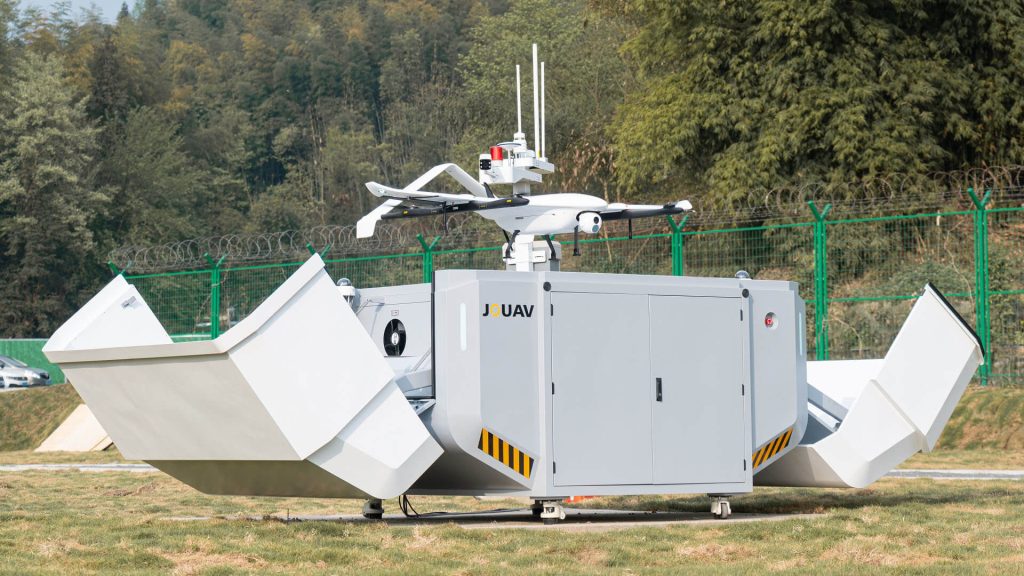
Applications of Autonomous Drone
Surveillance and Security
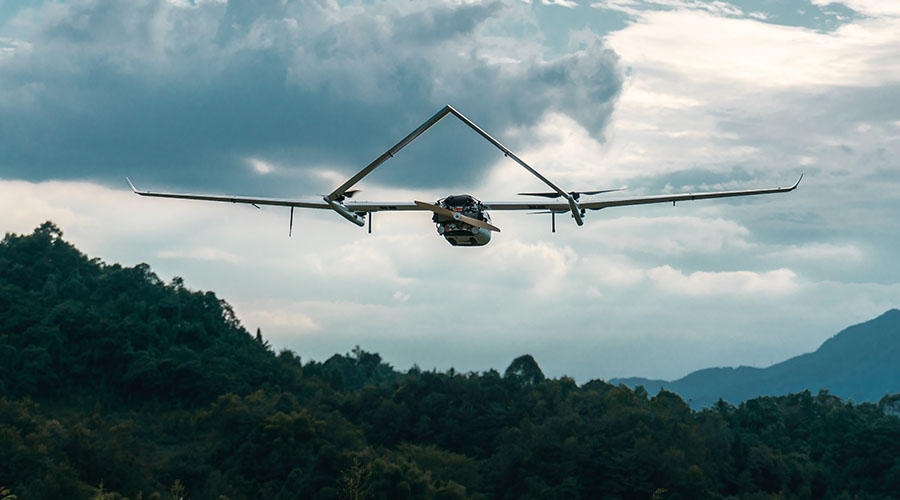
Mapping and Surveying
Equipment Inspection
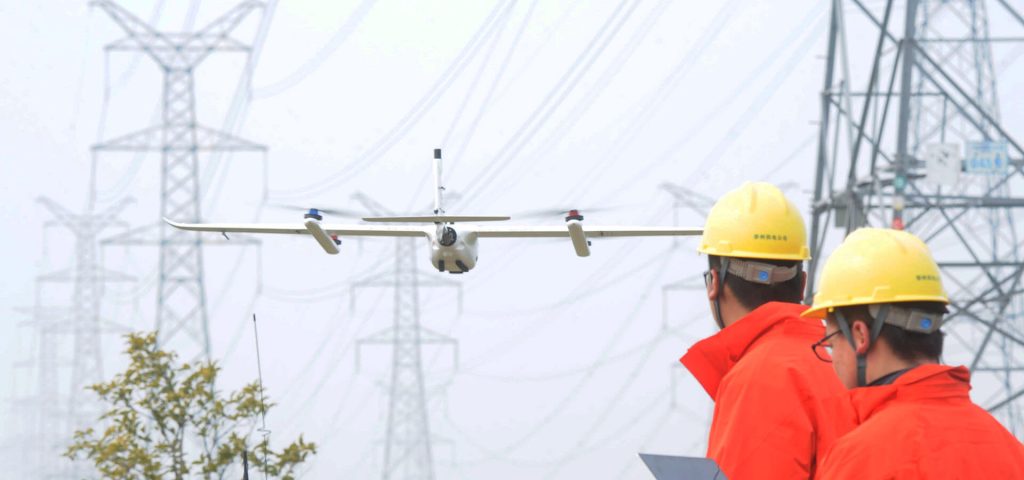
Disaster Response
Agriculture
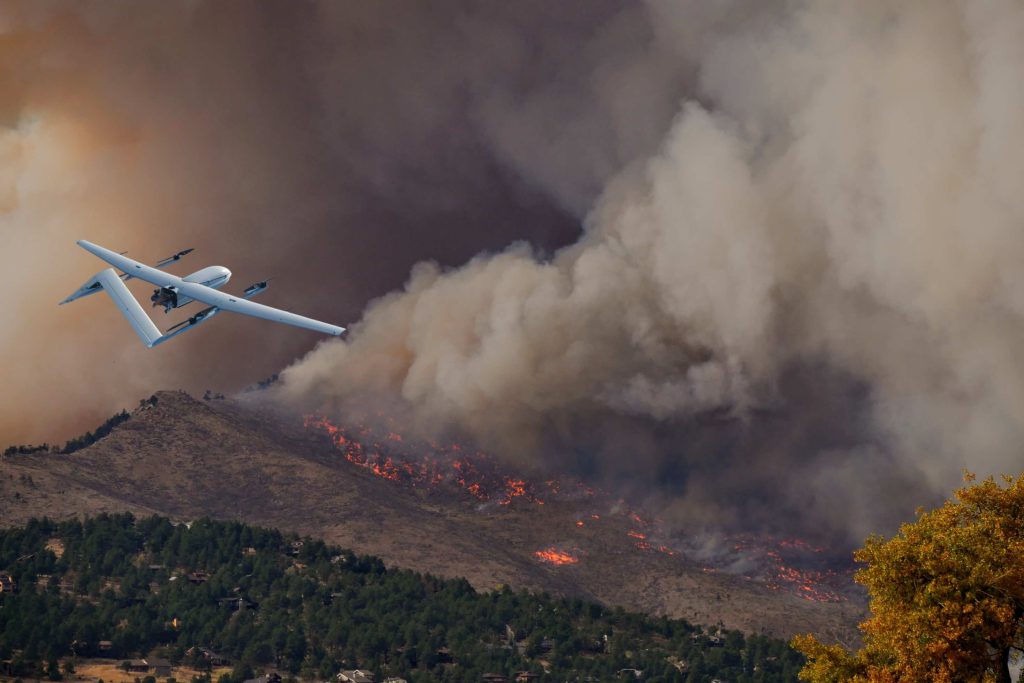
Military Operations
Delivery
Fully Autonomous Drone-in-a-Box Solution
Long-Range Autonomous Flight
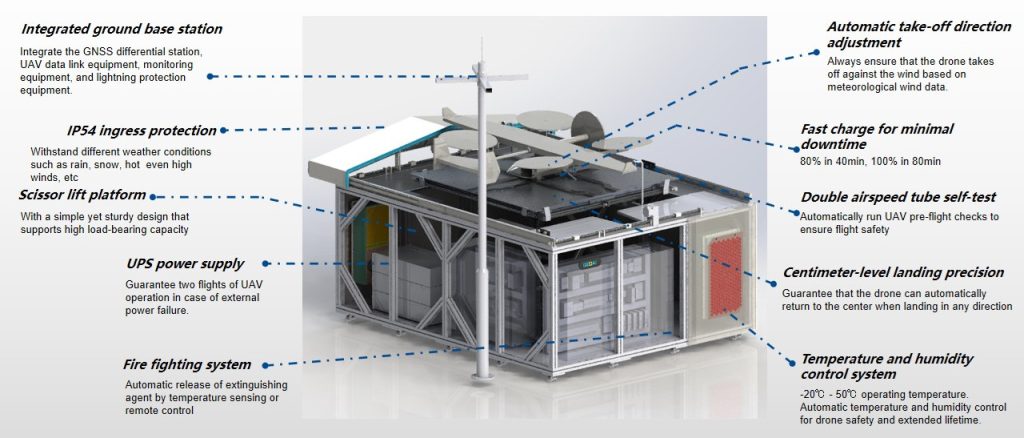
Advanced Obstacle Avoidance
Seamless Self-Flying and Self-Piloting
Real-Time Monitoring and Data Analysis
How to Build an Autonomous Drone?

常见问题
Q:SX-250 卫品多用途中包机_四雄机械设备适合什么人看?
Q:和「提示非官方版本」有什么不同?
Q:信息多久更新一次?
城市地标融入影视剧情,熟悉的建筑让本地观众倍感亲切,也让外地观众认识一座城市。地标与故事相互成就,留下深刻的影视记忆。 延伸阅读可参考 必赢电竞(biyingdia)中文官方网站、山西省殡葬管理办法 与 澳门宝马电子游戏网站入口。
SX-250 卫品多用途中包机_四雄机械设备要点
必赢电竞(biyingdia)中文官方网站官方版-必赢电竞(biyingdia)中文官方网站2026最新版v.426.32.127.134 安卓版-22265安卓网
SX-250 卫品多用途中包机_四雄机械设备相关说明,可结合站内专题继续阅读。